
pest-control
How Do I Control Aphids on Roses in Early Spring?
Elizabeth Harper
2026-03-19 08:45:00
1450
278
Early spring is a magical time in the garden, but ...
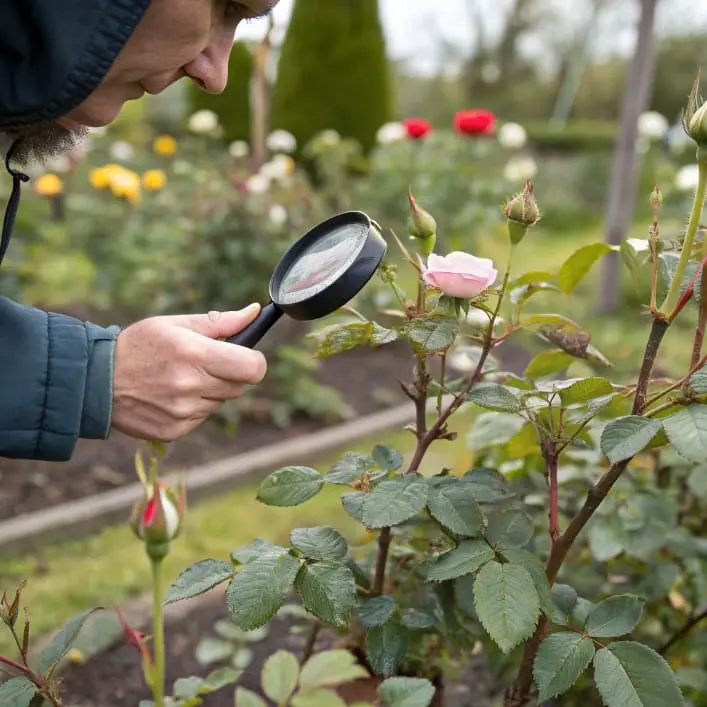
Early spring is a magical time in the garden, but it also marks the return of pests like aphids on roses. This article guides American seniors on safe, organic, and low-impact ways to protect their plants while keeping grandkids and pets safe.
1. Why Are Aphids Active in Early Spring?
In early spring, as temperatures rise to around 55–70°F and new buds start to swell, aphids emerge to feed on tender rose shoots and leaves. These tiny insects cluster on new growth, causing curling leaves and sticky residue. Identifying them early is key to preventing large infestations and ensuring your roses bloom healthy throughout the season.
2. How Can I Remove Aphids Without Chemicals?
For seniors, low-impact methods work best. Start with a strong stream of water from a hose to dislodge aphids—use a long-handled nozzle to avoid bending over. You can also make a gentle spray with 1 teaspoon of mild dish soap per quart of water. Spray early in the morning when temperatures are under 80°F to protect beneficial insects and prevent leaf burn.
3. What Are Easy, Ergonomic Ways to Monitor My Roses?
Raised beds or container roses reduce back strain and make inspections easier. Use a garden stool or kneeler to comfortably examine the plants. Check leaves weekly for sticky residue or small clusters of aphids. Introducing natural predators like ladybugs or lacewings can provide ongoing, low-effort control.
How Can I Naturally Protect My Tomato Plants from Hornworms in Mid-Summer?
2026-03-20 08:45:001582
How Can I Naturally Control Garden Pests in Late Summer Without Hurting My Family or Plants?
2026-03-18 08:45:00945
You May Also Like

How to Grow Vibrant Marigolds for Your Garden
Marigolds are bright, cheerful flowers that are easy to grow and great for beginner gardeners. They add pops of color and even help keep pests away naturally.
888
305
Olivia Harper
2025-05-16 19:45:00
Creative Balcony Planting Ideas for Small Spaces
If you think your balcony is too small for gardening, think again! With some creativity, even the tiniest balconies can become lush green retreats.
899
275
Noah Mitchell
2025-05-22 13:45:00
Nematodes in Your Garden? Here's How to Fight Back Naturally
Nematodes are microscopic worms that live in soil and mess with your plant roots. This guide will help you understand what they are, how to spot them, and how to naturally keep them under control.
799
271
Tommy Reynolds
2025-05-13 20:45:00
From Garden to Glass: Growing Your Own Cocktail Herbs at Home
Cocktail hour just got a whole lot fresher. More and more home gardeners are growing their own herbs to mix into drinks—and it’s not just about mint for mojitos. Whether you’re hosting friends or just treating yourself to a weekend spritz, homegrown herbs add incredible flavor, fragrance, and flair. Here’s how to grow and use the most popular cocktail herbs right from your backyard or balcony.
843
193
Sophie Blake
2025-07-16 21:15:00