
indoor-plants
Top 8 Plants That Attract Pollinators and Boost Your Garden’s Health
Joan Keller
2025-07-03 02:00:00
814
184
Want to grow a thriving garden that practically ta...

Want to grow a thriving garden that practically takes care of itself? Start by inviting bees, butterflies, and other pollinators. These tiny visitors do the heavy lifting when it comes to fruit and flower production, and the best way to get them to stop by is by planting the right flowers. This list features 8 easy-to-grow, pollinator-friendly plants that are beautiful, beneficial, and senior-friendly.
1. Nature’s Helpers: Why Pollinators Matter
Pollinators play a crucial role in the garden ecosystem. Bees, butterflies, and even hummingbirds help transfer pollen, which increases the yield of vegetables and fruit and helps flowers multiply. Without them, many plants would struggle to reproduce. By choosing the right plants, you're not only supporting your own garden, but also the environment. And the best part? Most of these pollinator plants are low-maintenance and bloom beautifully throughout the warm season.
2. Plants That Bring Buzz to Your Backyard
Here are 8 top picks: 1) Bee Balm – attracts bees and butterflies with vibrant red or purple blooms. 2) Milkweed – essential for monarch butterflies. 3) Lavender – pollinators love it, and so will your nose. 4) Black-eyed Susan – long-blooming and tough. 5) Coneflower – drought-tolerant and always buzzing with life. 6) Salvia – a hummingbird favorite. 7) Zinnias – colorful and loved by all pollinators. 8) Thyme – a great herb and magnet for bees. Mix them into your flower beds or pots and watch the pollinators arrive.
3. How to Keep Pollinator Plants Thriving
Plant in clusters—pollinators prefer large groups of the same flower. Choose a sunny spot, as most of these plants need 6+ hours of sunlight. Avoid pesticides—they can harm the very pollinators you want to attract. Use mulch to retain moisture and reduce weeds, but don’t cover the base of the plant too heavily. Deadhead flowers to promote more blooms, and don’t forget to include a shallow water source for your pollinator friends. With these additions, your garden will not only look better—it’ll work better, too.

Summer Garden Saviors: Natural Ways to Handle Heat-Loving Pests
2025-07-08 06:25:00734

The Perfect Plant for Every Personality: MBTI-Inspired Gardening Picks
2025-07-08 06:25:00556
You May Also Like

How to Improve Soil Health Naturally
Healthy soil = happy plants. Here are some easy, natural ways to boost your garden soil without using harsh chemicals.
398
151
Ethan Wells
2025-04-04 14:40:00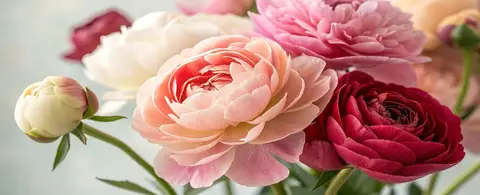
How to Grow Beautiful Peonies in Your Garden
Peonies are beloved for their large, fragrant blooms and elegant appearance. With a little patience, you can enjoy these stunning flowers year after year.
864
289
James Wilson
2025-05-19 15:45:00
Top Balcony Cleaning and Decorating Tools to Refresh Your Outdoor Space
Keeping your balcony looking fresh and stylish doesn’t require a huge budget—it just takes the right tools and a little inspiration. Whether you’re getting ready for summer entertaining or just want to enjoy your morning coffee with a better view, these cleaning tools and decor ideas will help you upgrade your balcony with minimal effort. From highly rated brooms to cozy lighting and privacy screens, here’s what real users love in 2025.
613
173
Jordan Ellis
2025-06-23 15:50:00
North vs. South: How Regional Differences Shape American Gardens
Not all gardens are created equal—especially in the U.S., where the climate and soil vary wildly from North to South. Whether you're in the sunny, humid South or the cooler, seasonal North, your gardening approach should match your region’s unique rhythms. From plant choices to pest issues, here’s what makes gardening in each part of the country different—and how to make the most of where you live.
819
189
Matthew Clarke
2025-07-14 07:41:22