
gardening-tips
What Grows Where: Garden Planning Tips for North & South U.S. Regions
Ashley Donovan
2025-07-14 08:14:25
788
173
The United States is a gardener’s puzzle—what grow...

The United States is a gardener’s puzzle—what grows well in Georgia might fail miserably in Vermont, and vice versa. Whether you're new to gardening or relocating across states, understanding regional needs is key. This guide helps break down the key differences between Northern and Southern gardens, so you can grow the right plants at the right time with less stress and more success.
1. Know Your Zone, Plan with Purpose
One of the best tools for regional gardening is the USDA Hardiness Zone Map. The South covers Zones 7–11, where winters are mild and summers are long. That means longer planting windows, but also more bugs and potential drought. The North, spanning Zones 3–6, gets cold fast and stays cold longer. Northern gardeners plan tightly around the frost calendar and often rely on indoor starts. Understanding your zone helps you avoid the heartbreak of plants that just weren’t meant to thrive in your climate.
2. Plant Choices by Region: What Works Best
Southern gardeners can enjoy tropicals like hibiscus, elephant ears, and banana plants, while Northern gardeners shine with peonies, daffodils, and snap peas. Heat-tolerant veggies like okra, eggplant, and hot peppers do best in the South, while leafy greens, broccoli, and carrots love the North’s cooler springs. Southern lawns might grow Bermuda or Zoysia grass; up North, it’s fescue or Kentucky bluegrass. Even your trees matter—Southern magnolias thrive in heat, while Northern sugar maples love the cold.
3. Regional Wisdom: Timing, Water & Pest Tips
Southerners often need to water in the early morning to beat afternoon heat and avoid mildew. Shade cloth and mulch are your friends! In the North, raised beds help warm the soil faster in spring, and row covers extend your growing season. Pests also differ—southern gardeners might battle fire ants and whiteflies, while northern ones deal more with deer or slugs. Native plants always do better wherever you are—they’re your secret weapon for low-maintenance, high-reward gardening.

Rain Gardens: A Beautiful Way to Fight Flooding and Boost Biodiversity
2025-07-17 03:10:00833
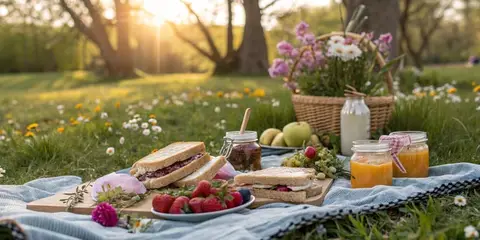
How to Garden Through Grief: Finding Healing in the Soil
2025-07-17 02:40:00812
You May Also Like

Common Mistakes When Caring for Indoor Plants (And How to Fix Them)
Taking care of indoor plants is rewarding, but it’s easy to make mistakes. One common issue is overwatering—many houseplants prefer to dry out a bit between waterings. Always check the soil before adding water. Another mistake is placing plants in the wrong lighting. Some need bright, indirect light, while others thrive in low light. Don’t guess—read the label or look it up. Also, avoid using pots without drainage holes. Trapped water leads to root rot. Forgetting to clean the leaves is another error; dust blocks sunlight and can attract pests. Use a damp cloth once a month. Lastly, don’t move plants around too much. They need time to adjust to one spot. With attention to these basics, your plants will stay healthy and happy.
680
298
Emily Brooks
2025-05-14 20:15:00
Succulent Fertilizing Made Simple
Feeding your succulents correctly can boost growth and keep them vibrant. Here's a simple guide to fertilizing your favorite plants.
910
277
Lucas Morgan
2025-05-29 09:45:00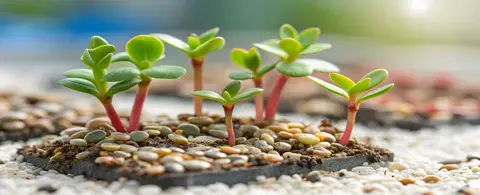
Common Succulent Problems and How to Fix Them
Even the easiest plants have their issues sometimes. Let's talk about common succulent problems and what you can do to keep them happy.
976
301
Mason Rivera
2025-05-31 14:45:00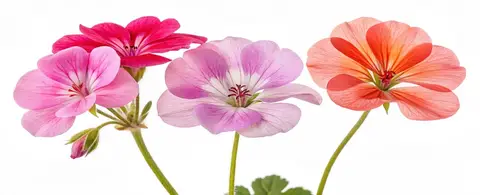
Tips for Growing Healthy and Colorful Geraniums
Geraniums are popular for their bright flowers and long blooming season. They're great for containers, window boxes, or garden beds, adding vibrant color wherever planted.
845
276
Olivia Martin
2025-05-20 09:10:00