
indoor-plants
Summer Pest Patrol: How to Keep Your Garden Safe from Bugs and Disease
Karen O'Neal
2025-07-08 05:00:00
647
162
Hot weather brings fast plant growth—but it also i...
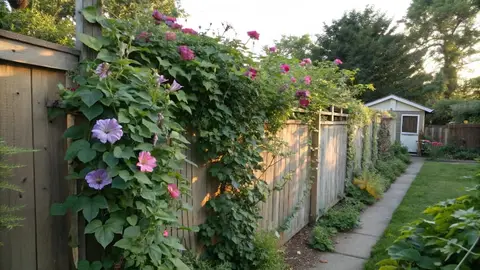
Hot weather brings fast plant growth—but it also invites unwanted guests like aphids, spider mites, powdery mildew, and other common summer problems. Don’t worry, though. With a little awareness and the right actions, you can protect your garden naturally and effectively. Here’s how to spot trouble early, use gentle methods, and keep your summer garden thriving all season long.
1. Spot the Signs Before Things Get Worse
Most garden problems start small. Watch out for curling leaves, sticky residue, or strange spots on foliage. Aphids often gather under leaves and secrete a sugary substance called honeydew, attracting ants. Powdery mildew looks like a white, dusty coating—especially on squash, cucumbers, or zinnias. Yellowing leaves and webbing might mean spider mites. The earlier you catch it, the easier it is to fix without chemicals.
2. Go Natural with These Proven Fixes
You don’t need harsh sprays. Neem oil is a natural insecticide and fungicide that works against most soft-bodied pests and fungal issues. Mix a tablespoon with water and a bit of dish soap in a spray bottle. For aphids, a strong blast of water can knock them off. Encourage beneficial insects like ladybugs or lacewings, which love eating pests. To prevent mildew, water at the base (not on the leaves) and avoid overcrowding. Airflow is key in hot, humid months.
3. Crop Rotation, Companion Planting & Other Smart Habits
Rotate where you plant vegetables each year to avoid soil-borne diseases. Use companion plants like marigolds (which deter nematodes and whiteflies) or basil (which repels thrips and improves tomato health). Keep your garden clean by removing diseased leaves and fallen debris. Mulch helps reduce splashing, which spreads fungal spores. These small habits go a long way toward a healthy, pest-resistant garden—without needing to turn to chemicals.

Summer Garden Saviors: Natural Ways to Handle Heat-Loving Pests
2025-07-08 06:25:00734

The Perfect Plant for Every Personality: MBTI-Inspired Gardening Picks
2025-07-08 06:25:00556
You May Also Like
Simple Tips to Boost Flowering in Your Garden
Want more blooms? These easy tricks can help your flowers flourish all season long.
590
190
Madison Clarke
2025-04-13 16:45:00
Essential Pruning Tips for Healthy Plants
Pruning helps plants grow stronger and look their best. Here are easy tips to prune like a pro.
577
160
Grace Mitchell
2025-04-09 15:20:00
How to Grow Carrots Indoors (Yes, It’s Possible!)
Think carrots can only grow in garden beds? Think again. Here’s how to successfully grow carrots indoors for a steady supply of fresh, crunchy goodness.
528
137
Clara Dawson
2025-06-10 07:46:00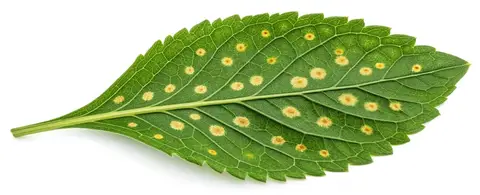
Effective Ways to Control Leaf Spot Disease in Your Garden
Leaf spot disease can quickly ruin your plants' look and health. Here's a simple, friendly guide to identify, prevent, and treat this common garden problem.
812
276
Mark Thompson
2025-05-09 11:45:00