
gardening-tips
The Rise of “Quiet Gardening”: Why More People Are Turning to Peaceful Planting
Melanie Rivers
2025-07-17 01:45:00
777
165
In a noisy, fast-paced world, more people are embr...
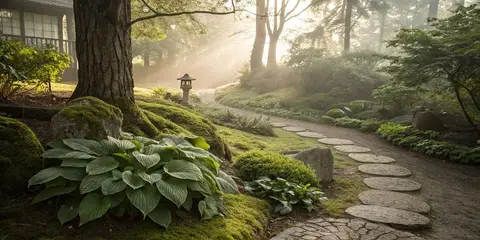
In a noisy, fast-paced world, more people are embracing “quiet gardening”—a mindful, low-stress approach to growing plants that’s less about perfection and more about peace. Unlike flashy landscaping or high-maintenance show gardens, quiet gardening is about tuning into nature, slowing down, and finding joy in the simple act of nurturing life. It’s therapy, creativity, and self-care all rolled into one.
1. What Is Quiet Gardening, Really?
It’s not about being silent—it’s about being present. Quiet gardening means putting away the to-do list, the apps, and the pressure to create an Instagram-worthy garden. Instead, it focuses on slow observation, hand watering, planting by feeling rather than strict schedules, and letting your space evolve naturally. You might sit quietly and watch the bees work, listen to the rustle of leaves, or just get your hands dirty without a goal. The garden becomes less of a task and more of a sacred space.
2. Why It's Catching On—Especially with Seniors and Creatives
Quiet gardening has found a big following among older adults, introverts, and creatives who crave a break from screens and stress. It's also easier on the body—no heavy lifting or aggressive pruning required. Instead of striving to control the garden, quiet gardeners observe and respond. This creates more resilient spaces, full of native plants, pollinator havens, and gentle wildness. It’s about connecting with the seasons, not just harvesting results. Even a few pots on a patio can become a powerful source of peace.
3. How to Start Your Own Quiet Garden
Begin with your senses. What textures and scents do you love? What sounds make you feel calm? Choose low-maintenance plants—think lavender, sedum, ornamental grasses, or herbs like lemon balm. Use winding paths, comfy seating, or shaded corners for reflection. Let your garden have a few imperfections; they’re what make it real. Keep a simple journal, notice patterns, and let nature teach you. Quiet gardening isn’t about doing more—it’s about noticing more. And that shift can change everything.

Rain Gardens: A Beautiful Way to Fight Flooding and Boost Biodiversity
2025-07-17 03:10:00833
How to Garden Through Grief: Finding Healing in the Soil
2025-07-17 02:40:00812
You May Also Like
How to Garden Through Grief: Finding Healing in the Soil
Gardening isn’t just about growing flowers or food—it’s also about healing. For many people, tending to a garden becomes a quiet form of therapy during times of loss or emotional pain. Whether you're mourning a loved one, processing a big life change, or just feeling overwhelmed by the world, gardening offers a steady, grounding way to reconnect with yourself. It’s nature’s gentle reminder that life continues.
812
177
Susan Hayes
2025-07-17 02:40:00
Easy Guide to Growing Tulips for a Colorful Spring
Tulips are a springtime favorite that bring vibrant colors and elegance to any garden. Here's a simple guide to growing tulips that bloom beautifully year after year.
792
284
Sophia Carter
2025-05-16 15:00:00
How to Start a Raised Bed Garden from Scratch
Raised beds are a game-changer for beginners and pros alike. Here's a simple guide to building and planting your own raised garden.
522
148
Hannah Brooks
2025-04-07 11:40:00
Succulent Care 101: Tips for Thriving Plants
Succulents are trendy for a reason—they're low-maintenance, stylish, and perfect for indoor or outdoor spaces. Here's how to keep them happy and healthy.
879
268
Mia Bennett
2025-05-26 10:25:00