
gardening-tips
How to Build a Thriving Backyard Flower Garden
Ethan Walker
2025-06-12 09:51:00
811
180
Creating a backyard flower garden is a rewarding w...

Creating a backyard flower garden is a rewarding way to add color, fragrance, and life to your outdoor space. With some planning and care, you can enjoy beautiful blooms all season long.
1. Selecting the Right Flowers for Your Garden
Choosing flowers suited to your region’s climate and soil type is essential. Consider perennials like coneflowers, black-eyed Susans, and daylilies for low-maintenance, long-lasting blooms. Annuals such as petunias, marigolds, and zinnias provide vibrant colors and fill gaps between perennials. Pay attention to the sunlight requirements—some flowers thrive in full sun while others prefer partial shade. Planning a mix ensures continuous blooms throughout the season.
2. Preparing Your Soil and Planting Tips
Healthy soil is the foundation of any great garden. Start by testing your soil’s pH and nutrient levels, then amend with compost or organic matter as needed. Loosen the soil well to encourage root growth. When planting, dig holes twice as wide as the root ball, gently loosen roots, and water immediately after planting. Mulching around plants conserves moisture and suppresses weeds, helping flowers flourish.
3. Regular Maintenance for a Beautiful Garden
1. Water early in the morning
This reduces evaporation and helps prevent fungal diseases by allowing leaves to dry during the day.
2. Deadhead spent flowers weekly
Removing faded blooms encourages more flowers to grow and keeps the garden looking tidy.
3. Check for pests every few days
Look under leaves and around stems for aphids, caterpillars, or spots. Early detection prevents bigger problems.
4. Trim overgrown plants regularly
This improves airflow and light penetration, helping prevent mold and boosting healthy growth.
5. Add mulch every season
A fresh layer of mulch keeps soil moist, controls weeds, and improves soil health as it breaks down.
6. Feed plants once a month
Use a slow-release fertilizer or compost to keep nutrients consistent and avoid sudden growth spurts or decline.

Rain Gardens: A Beautiful Way to Fight Flooding and Boost Biodiversity
2025-07-17 03:10:00833
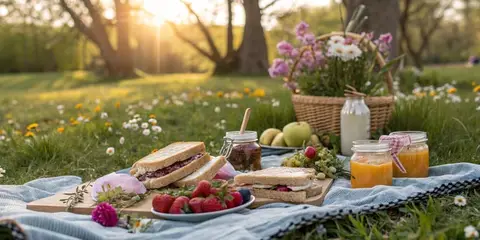
How to Garden Through Grief: Finding Healing in the Soil
2025-07-17 02:40:00812
You May Also Like
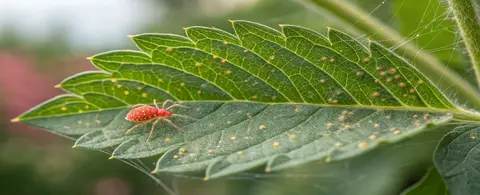
Top 3 Natural Remedies to Fight Spider Mites on Indoor Plants
Spider mites can quickly damage your indoor plants if left unchecked. Here are three natural, easy-to-use remedies to keep these pesky pests at bay without harsh chemicals.
889
309
Jacob Turner
2025-05-15 14:00:00
Succulent Care 101: Tips for Thriving Plants
Succulents are trendy for a reason—they're low-maintenance, stylish, and perfect for indoor or outdoor spaces. Here's how to keep them happy and healthy.
879
268
Mia Bennett
2025-05-26 10:25:00
How to Design a Low-Maintenance Garden That Thrives
Not everyone has time for daily garden chores. Here's how to create a beautiful, low-maintenance garden that still impresses.
540
180
Liam Scott
2025-05-02 12:25:00
Turn Your Garden Into a Pollinator Paradise
Want more bees, butterflies, and birds in your garden? Here's how to make your space a haven for pollinators.
578
166
Ethan Brooks
2025-05-01 10:30:00